Round 1 shows why a fixture is not a free television guide
A match can be in a familiar timeslot, at a familiar ground, and still require a different viewing arrangement from the one a supporter expects. That is the central problem with reading the 2027 AFL draw as though it were a television programme. The fixture answers who plays and when. The broadcast listing answers how a particular viewer can watch.
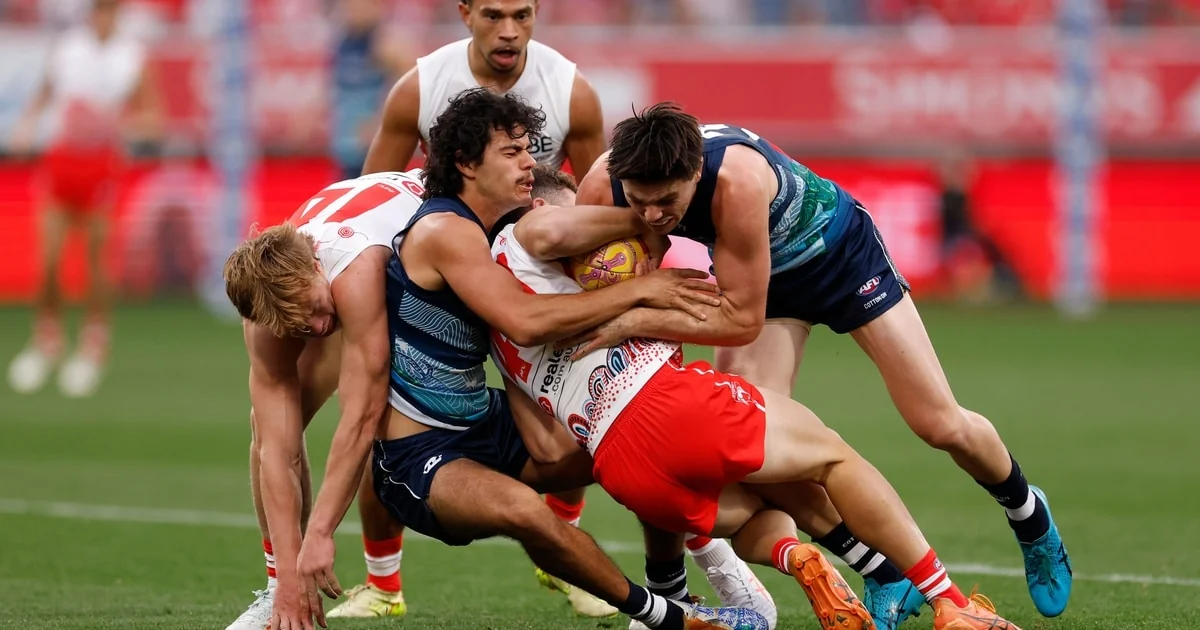
The official Round 1 announcement makes the distinction clear. Nine matches run from Wednesday 17 March to Sunday 21 March. Four are announced live and free on Seven and 7plus. The three Saturday games are each marked KAYO in the release. A supporter who sees Saturday football on the calendar should therefore check the actual channel and platform before assuming it will appear live on free television.
Which opening-round games are listed live and free
| Date | Match | Seven and 7plus in the national announcement |
|---|---|---|
| Wednesday 17 March | Sydney v Geelong | Live and free |
| Thursday 18 March | Fremantle v Western Bulldogs | Live and free |
| Friday 19 March | Hawthorn v Brisbane | Live and free |
| Sunday 21 March | Melbourne v Essendon | Live and free |
The remaining five games are Richmond–Carlton, Adelaide–GWS, St Kilda–Collingwood, North Melbourne–Port Adelaide and West Coast–Gold Coast. Those are the Kayo-labelled matches in that announcement. This describes the national release, not every possible local delayed telecast or market-specific arrangement. That distinction becomes important when a supporter asks a different question: “Can I watch my local club free in my state?”
The league also announces all nine games live on its subscription partners, with Watch AFL named among the streaming options. Territory matters for the latter, so an Australian viewer should not treat that line as proof that every listed service is available to them in Australia. Platform eligibility needs its own check.
For fans, the practical consequence is straightforward. Decide whether you want one particular match or the ability to follow the whole round. Those are different viewing needs. A free selection may cover the match you care about perfectly; it may also leave your club outside the live free schedule that week. Assess the actual game rather than buying a service in response to a broad slogan.
Use the current Round 1 fixture for updated starts and match details. A launch announcement is a useful reference for the rights pattern, but the match listing closest to game day is the place to confirm what you will actually see.
What Super Saturday promises and what it does not
Super Saturday is useful shorthand for a broadcast offering. It is less useful as a complete explanation of every viewer's rights. The key words in any announcement are not just “Saturday” and “exclusive”, but the market, the rounds and whether the exclusivity refers to live coverage.
In its 29 October statement welcoming the 2027 fixture, Foxtel Group describes Kayo Sports as carrying every Super Saturday game live through the opening rounds. The same statement uses narrower language for particular examples: a Round 16 group of matches is described as exclusively live in Victoria, while another featured match is qualified by eligible markets. Those qualifications are part of the information, not fine print that can be dropped without changing the meaning.
A supporter should therefore resist turning one promotional sentence into an answer for every state throughout the year. The release establishes the offering it describes. It does not provide a complete, match-by-match table of every regional free telecast, delayed showing and later-season exception. Where that table is missing, the correct next step is to check the local listing rather than fill the gap from memory of a previous season.
“Exclusively live” also needs to be read literally. It tells a viewer something about watching the event as it happens. It does not, by itself, tell them whether a delayed free telecast, replay package or highlights programme will appear later. Those alternatives may or may not meet the fan's needs. Someone who wants to discuss the game as it unfolds has a different requirement from someone happy to watch later while avoiding the score.
The cost argument follows from that difference. A supporter whose club frequently appears outside their preferred free live selection may reasonably feel that following the season has become less convenient. Another supporter might be satisfied with the free matches and highlights available to them. Neither preference can be settled by counting the total number of games in a weekend. The important question is which matches the person wants, and when they want to see them.
There is a benefit to fewer overlapping matches for viewers trying to follow several games, but it should be assessed alongside access. More separate windows can make it easier to watch more football without establishing that more of that football is free. The schedule and the rights package interact, yet they remain different parts of the viewing decision. Checking both is the only reliable way to judge what Super Saturday means for your own weekend.
Why your state and the word live change the answer
Two supporters can look at the same match and receive different free-viewing answers because their broadcast markets differ. That is why a useful answer includes the viewer's location. A Melbourne listing is not automatically an Adelaide listing, and a club's home-market arrangement is not automatically a national one.
The AFL's explanation of the deal when it began in 2025 illustrates the distinction: it described periods when local non-Victorian club matches could appear free on delay while the live telecast was on subscription television. That is historical context for how the arrangement works, not a table of 2027 round thresholds. The league's general broadcaster page still contains 2026-specific information, so its old window should not be copied into a 2027 guide either.
At this stage, use the confirmed 2027 match announcements and the relevant current local programme. The fixture launch materials do not supply a complete 2027 state-by-state list of every live and delayed exception. Being precise about that gap is more useful than giving a confident start-round number drawn from the wrong year.
Free-to-air television and free streaming are different listings
Seven is the television network; 7plus is its streaming service. The four opening-round games are expressly announced on both, so those particular listings provide a clear answer for the stated national selection. Beyond a specific confirmation, check the match's streaming listing as well as its television listing. A familiar channel name alone is not a complete description of the app content on a particular device.
The deal's original explanation linked simultaneous 7plus streaming to the market in which Seven was broadcasting the match. That matters when comparing recommendations from people in different states. It is also why the presence of an AFL hub, highlights or a football discussion show in an app does not demonstrate that the full live match you want is available there.
Keep the viewing region and displayed time zone separate. You may want a fixture shown in Melbourne time while checking what is available to a viewer in Perth. Changing a clock display is not evidence that the broadcast rights have changed. The AFL television guide treats those as separate choices for that reason.
A delayed match is not a second live option
A delayed telecast can be valuable, especially for a supporter happy to watch later. It is still a different product from live coverage. Check its programme start against the scheduled opening bounce, with both times expressed in the same zone. Also distinguish the broadcaster's pre-match coverage start from the actual start of play. A programme beginning earlier than the bounce is normal; a programme beginning after the match has started needs a closer look at its live or delayed label.
That small amount of checking prevents two common disappointments: paying because a free delayed option was mistaken for no coverage at all, or planning a live afternoon around a programme that is actually delayed. Neither outcome is solved by a general slogan about free football. The match, market, platform and live status need to agree.
Kayo Footy, Foxtel and Watch AFL are not interchangeable
The 2027 coverage will also arrive with a new name. Foxtel Group's September announcement says Fox Footy will become Kayo Footy. That is a channel-brand change within the broader sports offering. The new name alone is not evidence that an existing subscriber must buy an additional independent service to continue watching football.
Separate the programme or channel from the service carrying it. Kayo Sports is a streaming product; Foxtel is another route to the coverage described in the fixture announcement. Their commercial packages and technical arrangements should be checked with the provider. A channel being renamed does not tell a customer their exact price, included features or account conditions. Those are separate questions.
Watch AFL needs a different territorial check. Its own support guidance says the service is available to viewers outside Australia. Its inclusion in an AFL announcement is therefore not a recommendation for someone trying to watch from an Australian lounge room. Buying or recognising an international product does not remove its viewing restrictions.
There is a near-term account change overseas fans should notice as well. The official Watch AFL migration notice says subscriptions move to DAZN from 6 November 2026 and directs customers to the instructions sent for their account. It says the move itself adds no extra cost. That statement concerns the migration; it should not be expanded into a promise about all future prices, every market or Australian domestic access.
For a travelling supporter, the right order is to check location eligibility first, then the current account and device arrangements. For someone staying in Australia, begin with Australian free and subscription listings. Mixing those two situations is how an apparently helpful recommendation ends with a geoblocking message instead of a match.
Finally, keep home-and-away coverage separate from the Grand Final. A service advertising every regular-season game is not, on that phrase alone, confirming identical live rights for the Grand Final. Check the specific final's announcement when planning that day. There is no advantage in solving a March Saturday viewing problem by assuming an October event has the same arrangements.
How to check a match before paying for another subscription
The most efficient viewing decision starts with the match you actually want. A broad subscription comparison can become a distraction if the particular game is already in your free live selection. Equally, discovering that a service has an AFL programme is not enough if that programme does not include the game you planned your evening around.
Start with the game, then check the market and device
First identify the competition, round and two clubs. Then check the current date and opening bounce. This prevents confusion between a home-and-away match, a state competition game and an AFL discussion programme. It also avoids relying on an old screenshot after a fixture update. Keep the current match page available rather than treating a launch graphic as the final word.
Next choose the viewing market and inspect the free options. The free-to-air and free-streaming guide labels television and streaming separately. Look for the live or delayed description, then confirm the broadcaster's local programme. A missing or unconfirmed listing means more checking is needed; it should not automatically be translated into “this match cannot be watched”.
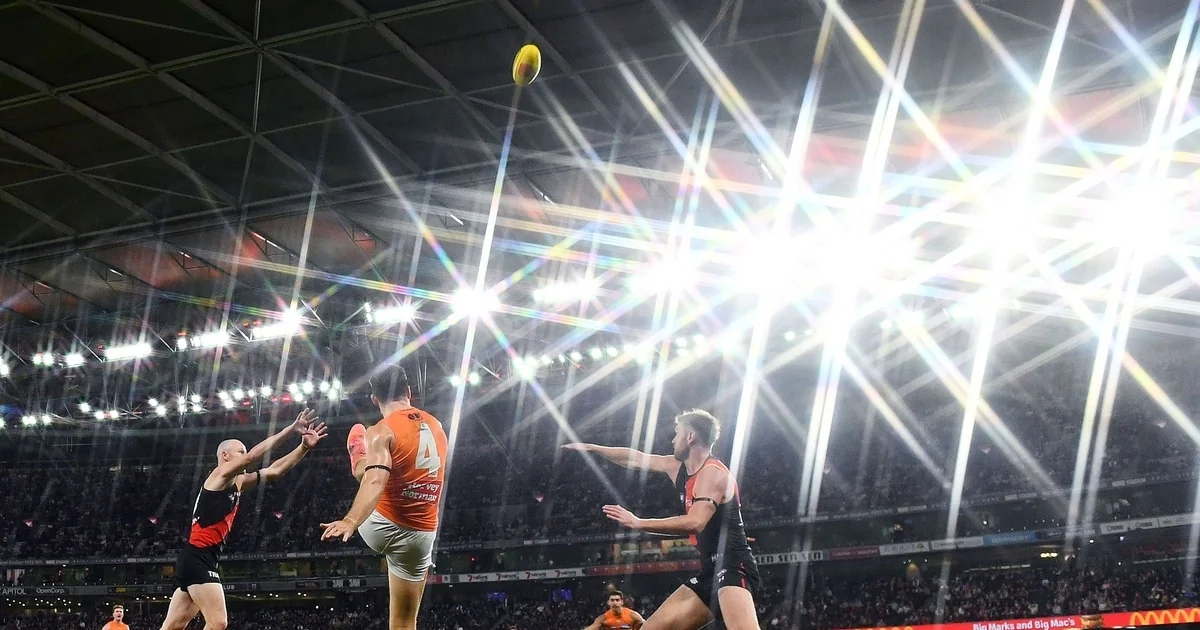
Now apply the distinction to Round 1. Melbourne–Essendon is among the four Seven and 7plus matches announced live and free. Richmond–Carlton is one of the Saturday games marked KAYO in that national announcement. Those examples give supporters a clear starting point without pretending to settle every local delayed option. The right follow-up is the current listing for the viewer's market, not a guess based on which club usually draws a large audience.
If a suitable free option exists, check that it is available on the television, app or device you intend to use. If it does not, compare the relevant subscription offering against the matches you want during that period. Use the provider's current terms for price, included features and renewal arrangements. A remembered price from last season or another person's account is not a reliable basis for a new purchase.
Do the account and playback check before the opening bounce. For a streamed match, confirm that the right account can access the relevant content on the intended device. For television, locate the actual channel and programme. This is particularly useful for an infrequent viewer returning for a rivalry game, when an unfamiliar app or changed brand name can consume the very minutes they hoped to watch.
Finally, decide what “following the footy” means for you. One club live every week, selected free games, delayed full matches and highlights are different preferences. The 2027 rights arrangement should be judged against that preference. Once the game, market, platform and timing are clear, the subscription decision becomes a much more concrete one.
Join the conversation
Share a question or a thought about AFL. Comments are reviewed before they appear. Keep it friendly and on topic.
No comments yet. Start the conversation.
Sign in with Google to leave a comment. Your email address is not displayed.